The Rarest Features in the World: Only 1% Of the Population Has.

The Rarest Features in the World: That Only 1% Of the Population Has. ✨
Humans are a being that is stunning and beautiful. God made them full of wonders and beautiful features. And God also granted them with rare features which makes every human unique, rare and precious. In this blog, I have written all the rarest features that only 1% of the world's population have. These features are rare according to the scientific studies. This blog will help you find your rarest feature, so that you could know your rarity and preciousness because every human being is very precious.The Rarest Features:
True Heterochromia Iridium:
 |
| TRUE HETEROCHROMIA IRIDUM |
Central Heterochromia:
 |
| CENTRAL HETEROCHROMIA |
Sectoral Heterochromia:
Part of one iris is of different color like a slice of cake.Amber or Golden Eyes:
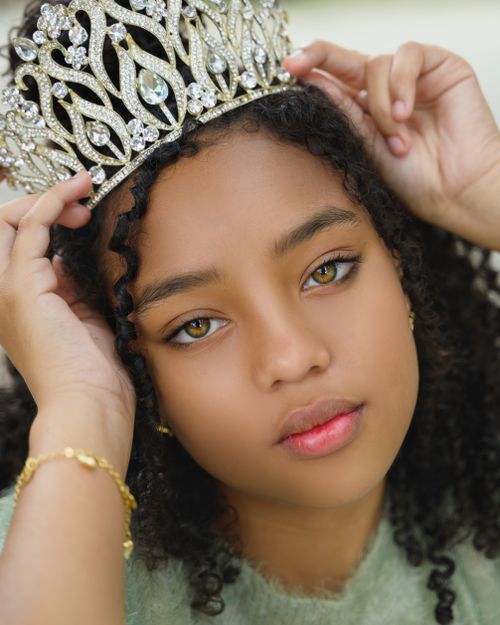 |
| Eyes with a honey tint. |
Starburst Patterns:
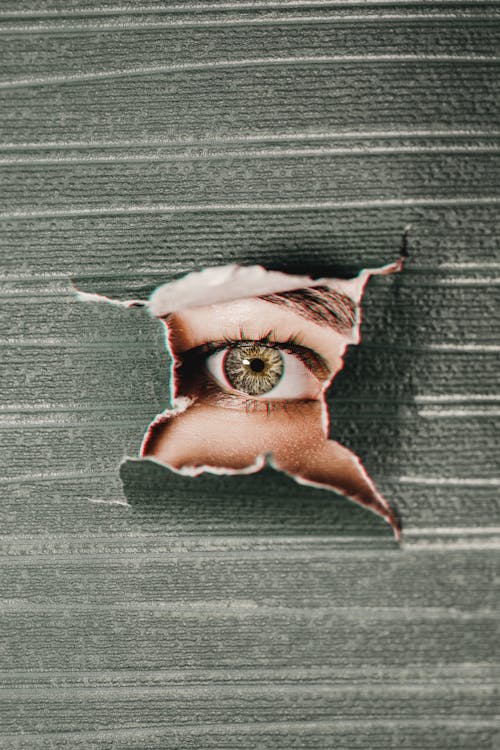 |
| STARBURST PATTERN. |
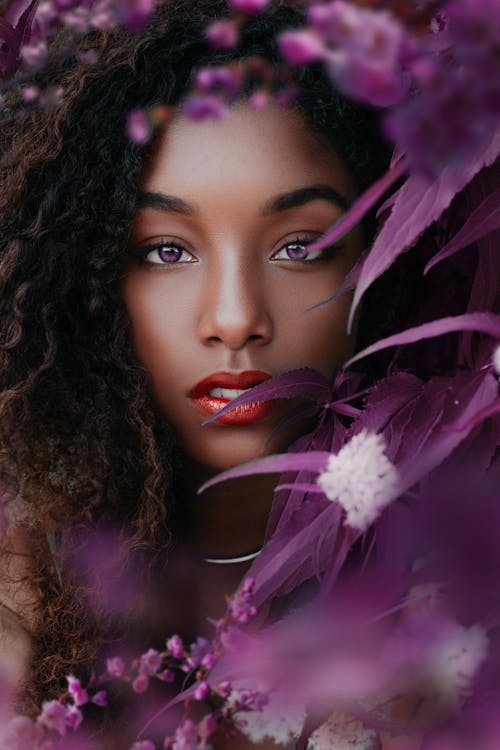 |
| Violet Eyes. |
Violet or Purple Eyes:
Natural violet or purple tint in eyes, often in people with albinism.Color Shifting Eyes:
Eye color changes depending on mood, lighting and clothes. Genetic combination of heterochromia and unusual iris pigmentation.Coloboma of the Iris:
A keyhole-shaped gap in the iris.Aniridia:
Partial or complete absence of the iris. Extremely rare, usually genetic; causes light sensitivity.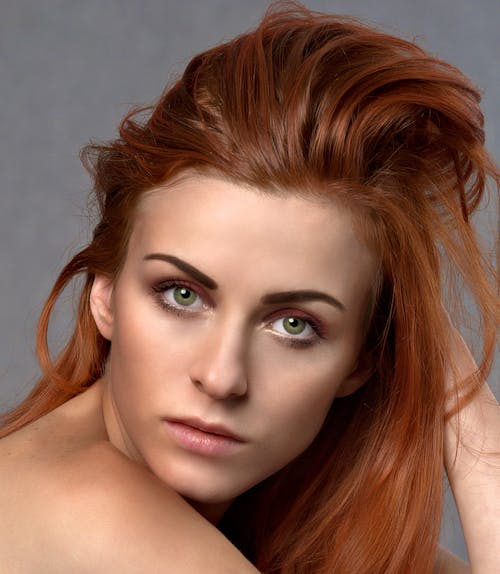 |
| Ginger or Red Hair. |
Natural Red Hair:
Hair naturally red due to MC1R gene variants.Hypertrichosis:
Excessive hair growth over the body (“werewolf syndrome”). Very few cases worldwide; usually genetic.Early Natural White Hair:
White or silver hair appearing in childhood/teen years without albinism. <1%; caused by rare gene mutations affecting melanin.Widow’s Peak with Sharp V:
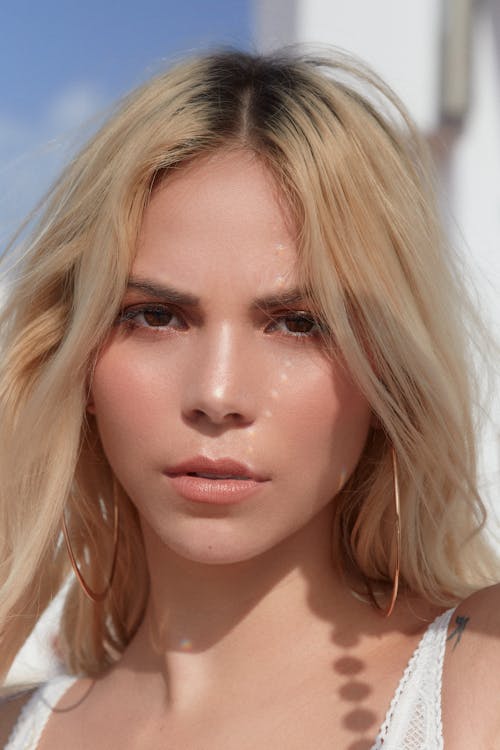 |
| Blonde Hair in Non-European Descent. |
Hairline forms a pronounced “V” at the forehead. Genetic trait in less than 1%; sharpness of the V adds to rarity.
Natural Blonde in Non-European Descent:
Naturally blonde hair outside typical European populations. Extremely uncommon due to genetics; <1%.
Poliosis:
A patch of white hair in eyebrows, eyelashes, or scalp. <1%; can be genetic or from Waardenburg syndrome.Translucent Skin / Visible Veins:
Very thin skin showing veins clearly. <1%; often genetic or due to low subcutaneous fat.Extreme Veiny Hands / Wrists / Arms:
Highly visible veins without being muscular. <1%; combination of thin skin and vein prominence.
Rare Body Dimples:
Venus dimples (lower back), shoulder, thigh, or unusual placement. <1%; rare skeletal/soft tissue trait.Café-au-Lait Spots in Unique Patterns:
Light brown birthmarks arranged unusually. <1%; often linked to rare genetic conditions when multiple.Segmental Hyperpigmentation / Hypopigmentation:
Patchy skin areas lighter or darker than surrounding skin. <1%; genetic mosaicism or developmental anomaly.Multiple Hypermobile Joints:
Ability to hyperextend elbows, fingers, knees, etc., in many joints. <1%; can indicate connective tissue differences.Webbed Fingers or Toes (Syndactyly):
Congenital fusion of fingers or toes. <1%; genetic anomaly.Ectrodactyly (“Split Hand” / Lobster Claw):
Missing central digits creating a split hand or foot appearance. <1%; genetic deformity.Congenital Nevi Covering Large Areas:
Large birthmarks or moles present at birth. <1%; varies in size and pattern.Cleft Chin:
Small dimple in the chin, deeper than usual. <1%; genetic trait.High Cheekbones + Sharp Jawline + Long Neck Combination:
Extremely striking facial structure. <1%; rare combination of traits.Upturned Almond Eyes:
Gives that naturally tilt upward at the outer corners. <1%; unique eye shape.Hitchhiker’s Thumb / Extreme Thumb Flexibility:
Ability to bend the thumb backward 90° or more. <1%; genetic hypermobility.Fangs / Shark-Like Canines Naturally:
Pointed teeth resembling fangs. <1%; natural dental anomaly.Extra Teeth (Hypodontia):
More than the normal 32 teeth. <1%; congenital anomaly.
Rare Natural Enamel Color (Yellow or Dark):
Naturally darker teeth, not caused by decay. <1%; genetic variation.Dentino genesis Imperfecta:
Translucent or discolored teeth due to abnormal dentin. <1%; hereditary condition.Congenitally Missing Teeth (Anodontia / Oligodontia):
Missing one or more teeth from birth. <1%; genetic anomaly.
Polydactyly (Extra Fingers / Toes):
Extra digits beyond the usual five. <1%; genetic mutation.Chimerism:
Person has two sets of DNAS in one body. <1%; occurs when two embryos merge in early development.Mosaicism:
Different DNA in different cells of the same body. <1%; can be mild or cause visible traits.
Extremely Rare Blood Types (Rh-null, Bombay Phenotype, etc.):
Blood types almost never seen (<1% of people). Genetic rarity affecting blood group antigens.Extra X or Y Chromosome Combinations (XXY, XYY, etc.):
Rare chromosomal variations. <1%; affects development subtly or visibly.Rare Metabolic / Genetic Syndromes (Laron Syndrome, etc.):
Syndromes affecting growth, metabolism, or hormone function. <1%; genetic mutations.Tetrachromacy:
Ability to see millions more colors than normal humans. <1%; usually women with an extra cone in retina.Synesthesia:
Senses mix (e.g., seeing colors when hearing sounds). <1%; neurological condition.Exceptional Night Vision:
Ability to see in extremely low light better than most. <1%; retinal variation.Photographic / Eidetic Memory:
Ability to recall images in extreme detail. <1%; cognitive ability.Super Smeller / Exceptional Olfactory Sense:
Extremely acute sense of smell. <1%; genetic or developmental.
Congenital Analgesia:
Inability to feel pain from birth. Extremely rare; <1%; genetic mutation in nerve pathways.
These are all the rarest features ever in the world that only 1% of the world's population have. Tell me in the comments, that which rare feature you have from the above.

Comments
Post a Comment